
| Quick Answer On 16 September 2026, the Federal Reserve raised US interest rates by a quarter point, taking the federal funds rate to a range of 3.75%-4%. It’s the first rate rise since 2023, and it happened because inflation has been climbing again. In plain terms: credit cards, car loans and new mortgages are likely to get a little more expensive, while savings accounts should pay a bit more interest. Another rate rise before the end of 2026 hasn’t been ruled out. |
Understanding the trajectory of US Interest Rates 2026 is crucial for managing your personal finances after the Federal Reserve’s latest policy shift.
If you’ve seen headlines about the Fed this week and felt your eyes glaze over, you’re not alone. Interest rate news sounds complicated, but the effects land somewhere very ordinary: your credit card bill, your car payment, your mortgage, and the interest on your savings account. Let’s break down what actually happened, why it happened, and what it means for your day-to-day money.
US Interest Rates 2026: What Happened on 16 September
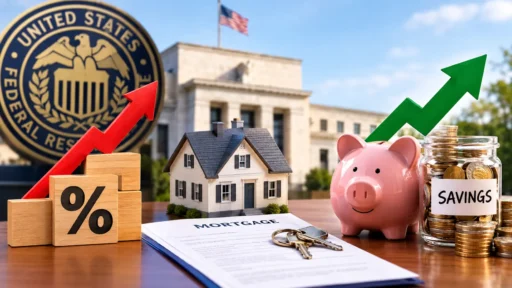
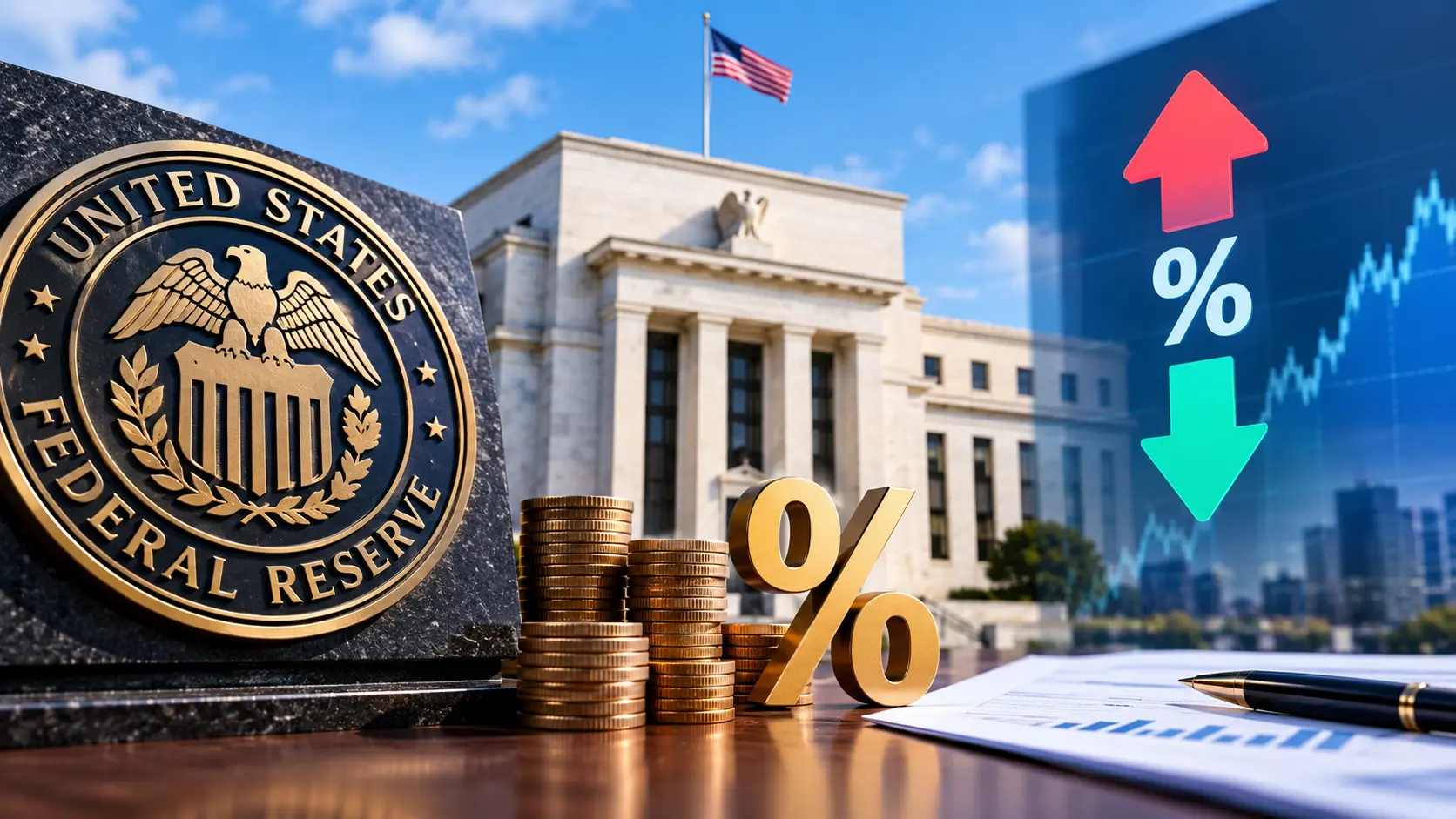
The Federal Reserve’s rate-setting body, the FOMC, voted unanimously (12-0) to raise the federal funds rate by 25 basis points—a quarter of one percent—to a target range of 3.75%-4%. The previous range was 3.50%-3.75%. The hike, while modest on a scale, represents the first increase in the fed funds rate since summer 2023, after a prolonged period of stability or cuts in the past couple of years.
The federal funds rate is the rate at which banks lend reserves to each other, on an overnight basis. This may sound esoteric, but it can act as a kind of lever that indirectly affects borrowing costs throughout the economy, from credit-card rates to business loans.
Why Did the Fed Raise Rates Now?
The short answer is inflation. After climbing 3.4% in August compared with a year earlier, prices face additional pressure from rising oil prices (in part because of turmoil in the Middle East) as well as the impact of tariffs, which came after years of gradually cooling inflation.
There’s a political dimension, too. President Trump has accused the Fed of raising interest rates too high and has demanded that it lower them. Mr Trump is right that lower rates would be better for economic growth, but Mr Warsh and the other Fed officials took the opposite view, arguing that fighting inflation should take priority. The Fed is correct to stand its ground; central banks need to be independent, even if that means defying the political establishment.
What This Means for Your Credit Cards
This is where most people will feel it first. Most credit cards carry a variable interest rate tied to the prime rate, and the prime rate typically moves within a month of a Fed decision. Analysts at LendingTree expect most cardholders to see their rate creep up by roughly a quarter point over the next couple of months. It doesn’t sound like much on one card, but personal finance site WalletHub estimates this single rate rise will cost credit card users around $2 billion in extra interest charges over the next year, combined.
What to do: If you’re carrying a balance, this is a good moment to focus on paying it down rather than waiting for rates to drop. A balance transfer to a 0% introductory card can also help if your credit is in decent shape.
What This Means for Your Mortgage
Here’s some happy news for existing homeowners: Nearly half of all existing mortgages have a rate of 4% or lower, and nearly 20% have a rate of 3% or lower, reports the National Association of Realtors. So if you’re an existing homeowner with an adjustable-rate mortgage, this news probably doesn’t affect you much at all.
For those with an adjustable-rate mortgage or those planning to buy or refinance soon, it’s a bit of a different story. That said, mortgage rates typically don’t follow the federal funds rate that closely, but instead respond more to movements in the bond market as well as inflation expectations, so it’s entirely possible that mortgage rates will decline even as the Fed raises rates, depending upon how the economy responds.
What should you do? If you’re buying, get pre-approved, and consider shopping around in case rates do come down.
What This Means for Car Loans and Savings
Car loans are already expensive by historical standards. The average new car now costs around $50,089, with average loan rates sitting near 7% for new cars and 10.6% for used ones, pushing the average monthly car payment to about $765. A Fed hike adds a bit more pressure here too, since auto loan rates loosely track the prime rate.
On the flip side, savers finally get something to smile about. Banks tend to raise the interest paid on savings accounts and certificates of deposit (CDs) after a Fed hike, even though the Fed doesn’t set those rates directly. If your money’s sitting in an account paying almost nothing, it’s worth shopping around — high-yield online savings accounts often move faster than big traditional banks.
What Happens Next?
The Federal Reserve released its Dot plot with the latest decision, according to which the federal funds rate is expected to remain in the range of 4.1% – 4.4% in 2026. Therefore, there is a possibility of another hike by the end of the year. The Fed emphasized that its further decisions will be made considering the further progress on bringing inflation down and the labor market situation.
Frequently Asked Questions
What is the current US interest rate in 2026?
As of 16 September 2026, the federal funds rate sits at a target range of 3.75% to 4%, after the Fed’s quarter-point increase.
Why did the Fed raise interest rates instead of cutting them?
Inflation has stayed above the Fed’s 2% target for years and picked up again in August 2026, partly due to rising oil prices and tariffs, which pushed the Fed to raise rates rather than cut them.
Will my mortgage payment go up because of this rate rise?
If you have a fixed-rate mortgage, your payment won’t change at all. Only adjustable-rate mortgages and new home loans are directly affected, and even then, mortgage rates don’t always move exactly in line with the Fed.
Is now a good time to open a savings account?
It’s a reasonable time to compare rates, since banks typically raise savings and CD rates after a Fed hike. High-yield online savings accounts tend to respond faster than traditional banks.
Will the Fed raise rates again in 2026?
The Fed’s own projections suggest one more rate rise is possible before the end of 2026, though this depends on how inflation and employment data develop over the coming months.